
A global memory shortage is reshaping IT budgets and hardware timelines. Here’s what it means for your business, and how to plan smarter in 2026.
Your IT Budget Is About to Get a Lot More Complicated
Most businesses have a rhythm when it comes to technology. Devices get refreshed every few years, servers get upgraded when they start struggling, and procurement happens more or less when it’s needed.
That rhythm is getting disrupted, and a lot of businesses haven’t felt it yet, but they will.
Something Is Happening in the Hardware Market
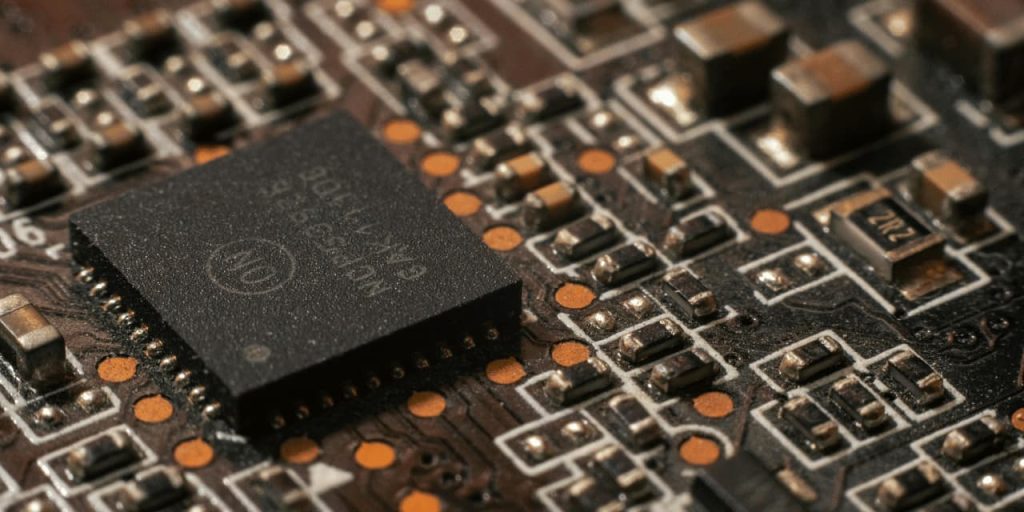
There’s a global shortage of memory and storage components, the building blocks inside almost every piece of technology your business runs on. Laptops, desktops, servers, the infrastructure behind your cloud services. All of it depends on the same components that are now in increasingly short supply.
The reason? AI. The explosion in demand for AI systems has sent demand for high-performance memory through the roof, and manufacturers are prioritising production accordingly. Which means everyone else, including businesses like yours, is competing for what’s left.
What That Looks Like in Practice
You might already be seeing some of this without knowing exactly why.
Quotes coming in higher than expected. Hardware costs have climbed, and they’re not coming back down anytime soon. If you’re budgeting based on what things cost 18 months ago, you’re likely to get a surprise.
Waiting longer than you used to. Kit that would have arrived in two or three weeks is now taking months in some cases. If you’ve got a project kicking off, an office move, or a new team starting — that delay has consequences.
Decisions getting forced earlier. Some businesses are having to make purchasing calls before they’re really ready, simply to secure stock. Others are pushing back upgrades they probably shouldn’t be delaying. Neither feels great.
Planning getting harder. The thing that makes all of this particularly frustrating is that it’s unpredictable. Prices shift. Lead times change. What was available last quarter might not be available next quarter.
The Honest Reality of IT Planning Right Now
Here’s the thing: IT planning used to be something you could largely do from the inside out. Work out what the business needs, set a budget, procure accordingly. Relatively straightforward.
That still matters, but it’s not enough on its own anymore. What’s happening in the wider market now has a direct bearing on what you can buy, when you can get it, and what you’ll pay. Ignoring that doesn’t make it go away; it just means you get caught out by it.
Businesses that are managing this well have started thinking about IT a bit more like they think about other parts of their operation that are exposed to external pressures, with a bit more forward planning, a bit more flexibility in the budget, and a clearer sense of what decisions need to be made now rather than later.
Small Shifts That Make a Big Difference

You don’t need to overhaul how you run IT to get ahead of this. But a few changes in approach go a long way:
Look further ahead than you’re used to. If you’ve typically planned hardware purchases six months out, push that to twelve. The earlier you can identify what you need, the more options you have.
Build some flex into your IT budget. Fixed procurement budgets are increasingly hard to stick to when prices are volatile. Having some room to move means you’re not constantly going back to finance for approval.
Revisit your refresh cycle with fresh eyes. The schedule you set three years ago might not reflect the current reality. Some equipment might need to come forward; other things might be worth sweating a little longer.
Talk to your supplier sooner rather than later. If there’s kit you’re going to need in the next year, have that conversation now. A good technology partner will tell you what the lead times look like and help you plan around them.
Where Good Advice Pays for Itself
This is where the relationship you have with your technology supplier really starts to matter.
Anyone can take an order. But when the market is moving like this, what actually helps businesses is someone who can tell you what’s happening, what it means for your specific situation, and what the smartest move is — whether that’s buying now, waiting, or looking at alternative options you hadn’t considered.
That kind of advice doesn’t cost extra. But it can save you a lot.
So Where Does That Leave You?
The memory shortage isn’t going to quietly resolve itself. AI’s demand for compute and memory shows no signs of slowing, and the ripple effects are already moving through the broader technology market.
The businesses that come out of this in good shape won’t necessarily be the biggest or the best-resourced. They’ll be the ones who got ahead of it — who treated technology planning as something worth staying on top of, rather than something to deal with when a problem lands on their desk.
If you’re not sure whether your current IT setup and procurement approach is ready for the environment we’re in, that’s probably worth finding out sooner rather than later.